

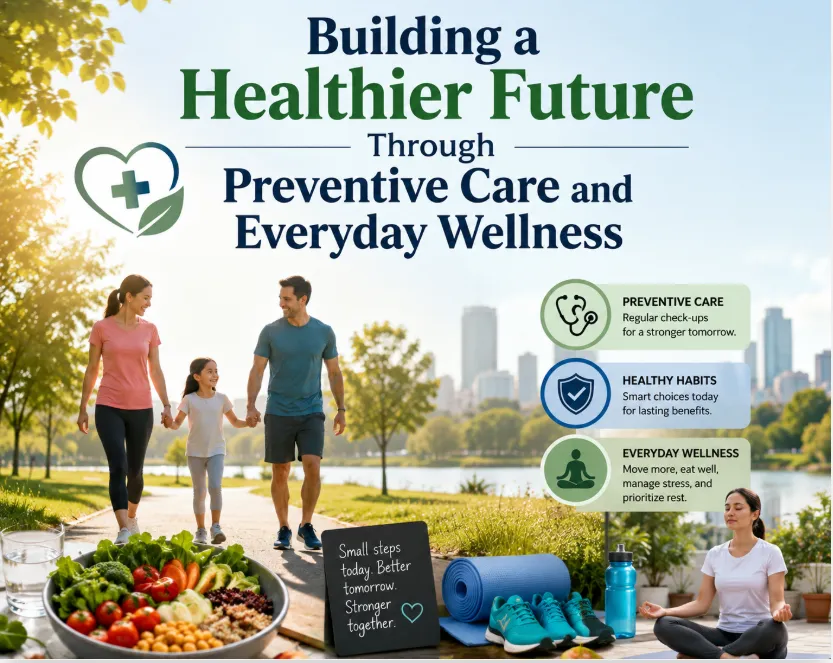
Good health more often occurs as the outcome of many little decisions. But it’s the little things we do each and every day. Healthy lifestyle behaviours include a healthy diet, physical activity, adequate sleep and periodic health checks. There are many diseases that can be treated more easily than ever, but one of the best ways to assure long-term health is to prevent disease.
Preventive health care assists people to know their health condition and enables doctors to uncover issues that might trigger if they were to be left unchecked. Preventive care can help you live better, be it as a student, a working professional or a senior.
What does ‘preventive healthcare’ mean?
Preventive healthcare has to do with health services that help prevent disease or health screenings, immunizations and healthy lifestyle habits. Preventive care is not waiting and seeing; it’s about maintaining good health and early detection.
What is meant by preventive healthcare?
Preventive healthcare has to do with health services that help prevent disease or health screenings, immunizations and healthy lifestyle habits. Rather than taking a wait-and-see approach, preventive care emphasizes the maintenance of good health and early detection.
Regular preventive maintenance can consist of:
• Annual physical examinations
• Blood pressure monitoring
• Blood sugar testing
• Cholesterol screening
Vision and hearing checks are performed.
• Dental examinations
• Recommended vaccinations
Cancer screening for age and risk factors
These services enable the early detection of health problems that can be treated more easily and effectively.
Regular health screenings are essential!
Numerous common health problems take time to develop and may not become apparent in early phases. Elevated blood pressure, diabetes, liver disease and high cholesterol can quietly cause damage to the body over a period of years.
There are a number of advantages to getting regular health screenings:
Early diagnosis of medical conditions.
• Better treatment outcomes
Cut costs on health care in the future
• Lower likelihood of complications which might be severe
An increased awareness of personal health.
Early diagnosis can enable people to make lifestyle changes or begin treatment before it becomes more challenging to manage.
You are a health professional and it is important to recognise that healthy eating affects the whole person.
Eating a balanced diet is a crucial part of being healthy. A balanced diet ensures the supply of nutrients for energy, growth, immunity and tissue repair.
Try the following healthy eating tips:
· Eating half the food from the vegetables/fruits section of the plate
· Whole grains will make you feel fuller than refined grains, which will help you to lose weight.
· Incorporate lean protein into the diet such as fish, eggs, beans, and poultry.
· Eating nuts, seeds and olive oil as good fats.
Sprinkling throughout the day
Avoiding foods rich in sugar, processed food and salt will also help prevent heart disease and metabolic diseases.
Being active is good for overall well-being.
Exercise is beneficial to most organs of the body. Regular exercise strengthens the heart, builds muscle, helps with good weight management and boosts mental health.
Moderate activity for adults should be a minimum of 150 minutes per week. Walking, cycling, swimming, dancing and yoga are all good physical activity.
Some of the many little things that make-up an individual’s health, including taking the stairs, walking after eating or stretching at break times at work.
High quality sleep is essential to recovery.
One of the natural healing processes of the body is sleep. Brain cleanses while sleeping, muscles heal and the immune system is enhanced.
Good sleep is essential for the average adult of 7-9 hours per night. A regular bedtime routine, avoiding screens before sleep and setting up a sleep-friendly environment are other factors that could enhance sleep.
Sleep quality has been linked to fatigue, lack of concentration, decreased immunity and the risk of chronic disease
Refreshing and recharging your body and mind for stress reduction.
Stress is a natural phenomenon and is a part and parcel of life but if the stress continues for a prolonged period it can have a negative effect on body and mind. May cause headache, gastrointestinal problems, anxiety, high blood pressure and sleep disturbances.
Stress management is a process that is important and can be done through the following:
Performs deep breathing techniques
• Spending time outdoors
• Exercising regularly
• Maintaining supportive relationships
• Working while taking breaks (as necessary)
Mindfulness/meditation practice
In addition, if you do not find it easy to manage your stress, you should also consult a professional for advice.
Why Workplace Health Matters?
Workplace wellness is a significant aspect of health for many adults, as they spend a significant amount of time working. Frequent health assessments, ergonomic work surfaces and exercise and mental health support are all promoted by employers to boost staff health.
A healthy workforce is more productive, less sick days and improved work-life balance.
International Employment Medical Fitness Assessment Course.
Preventive health assessments also are relevant for individuals who are considering going abroad. There are countries that mandate medical examinations to ensure that applicants are healthy enough to hold to certain health standards before they can be granted an employment visa.
For instance, those who wish to work in a job in a country from the Gulf Cooperation Council (GCC) need to undergo a GAMCA Medical Examination at an authorized medical center. The exam is used to confirm medical fitness and to meet public health needs prior to international travel and work.
Conclusion
Health is a continuous process and not a one-time thing. All of the above factors contribute to lower health risks and better quality of life. If you are keen to get a job in the GCC countries, you should learn about the mandatory medical examination in GCC known as GAMCA Medical Examination to finish the medical procedure before applying for the job in the country. Preventive care is a serious matter now and it’s a good bet that a healthier and more confident future awaits.