


Bringing a baby home is every bit of the miracle they say it is. But that miracle is a little chaotic, to say the least. Between feeding schedules, diaper changes, and operating on very little sleep, you also have to find the time to take care of yourself. You might consider it a bottom-of-the-list activity but postpartum hair and skincare is exactly what you need to get your confidence back and fix pregnancy-related issues such as eczema, acne, melasma, hairfall and more. Let us lend you a helping hand there with these valuable tips.
Postpartum Skincare Tips
1. Always use a very gentle cleanser
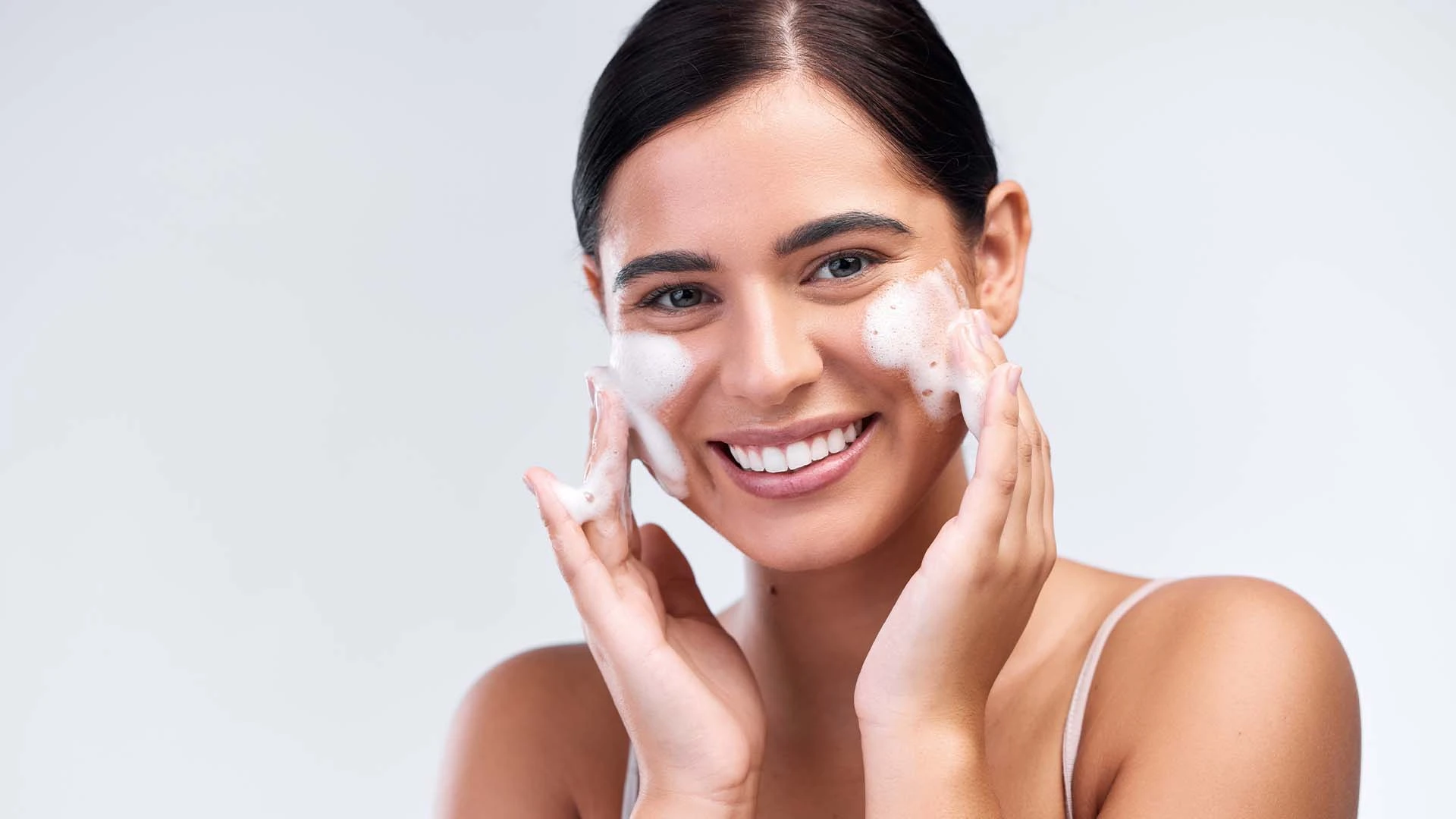
Your skin might dry out during and post pregnancy. The best way to combat that dryness is to use a super mild cleanser that is free of harsh surfactants. Choosing a face wash that contains a slightly acidic pH, humectants (elements that retain moisture), emollients (moisturisers), and occlusives (elements that reinforce skin barrier to prevent moisture loss) is your best bet.
2. Keep your stress levels low as much as possible
Easier said than done, no doubt but did you know that stress is a real contributing factor to skin issues such as eczema? Excess stress can cause inflammation in your entire body, which can worsen existing skin conditions. So take help, reach out, talk – do whatever it takes to keep your stress levels low.
3. Hydrate your skin
Your skin needs a little extra TLC after delivery, and one of the easiest ways to show it some love is to hydrate it as much as possible! Pick up that moisturiser every time you wash your hands and slather it on to keep eczema, itchiness, and inflammation under control. Just be sure to use a sensitive, unscented variant that is safe for use.
4. Use the right nipple care products
If you are breastfeeding, you need all the nipple protection you can get! A good quality nipple butter should be an essential part of your postpartum skincare routine. Opt for one that contains naturally moisturising and perfectly safe ingredients to soothe sore and dry nipples. For example, ingredients such as Dipotassium Glycyrrhizinate (Licorice Extract) and Sodium Hyaluronate (Hyaluronic Acid) are not only safe for you and your baby but they also act as healing and hydrating agents that keep your skin protected.
5. Use a good sunscreen
If you are stepping out, do not skip on sunscreen as it can make pregnancy-related melasma and hyperpigmentation worse. Use a broad spectrum sunscreen that works for your sunscreen and effectively blocks out UVA and UVB rays. However, be mindful of your chosen cream’s ingredients. Certain ingredients are best avoided postpartum.
Postpartum Haircare Tips
1. Treat your tresses gently
Hair loss or dry hair after pregnancy are common occurrences. If you are experiencing any of them, show your locks some gentle love instead of tugging and pulling at them in haste as you brush through your hair. Avoid chemical treatments and chemical-heavy shampoos, and try to minimise the use of heat tools as much as possible. At least till your mane is back to its old glory. Styling your hair in looser braids is an easy way to manage your tresses in what would probably be one of the busiest times of your entire life.
2. Find the right shampoo and conditioner for your hair type
You can consult with your stylist or even your dermatologist. All you have to do is ensure the product targets your current concern. For example, if hair fall is your biggest concern, look for hair products that control hair shedding on shampoo days. Similarly if dry hair is troubling you, opt for shampoos and conditioners that soften your hair without weighing it down.
3. Take supplements if necessary
If your hair fall problem is a little out of control, don’t spiral. That will only make things worse. Instead take charge and consider going for health supplements if needed. Your healthcare practitioner will guide you here and might recommend suitable supplements containing Vitamin D, Iron, and Vitamin C to help curb hair fall.
4. Go for volumising hairstyles
Getting a haircut that makes your hair look fuller can ease some of the stress you feel as you wait for your hair to grow back to its former glory. Shorter haircuts are not only easier to manage, but they can also make your tresses look more voluminous. Seriously consider it because the time-saving benefits are immense – especially as you have to devote most of your time to your little one.
Conclusion
Postpartum hair and skincare might seem like a mountain to climb but a couple of small changes here and there can help you regain the same skin texture and hair volume you used to love before pregnancy. Consistency is key though so make sure you stick to your new routine.